Teaching
“Education is not the filling of a pail, but the lighting of a fire.”
– W. B. Yeats
Virtual Reality in Environmental Education
Explore how we’re using immersive VR to transform environmental education and spark critical thinking around real-world climate solutions. This innovative approach allows students to experience environmental challenges firsthand and develop creative solutions.
My Teaching Philosophy
My goal as an instructor is to light the fire of critical reasoning and a passion for learning and curiosity in my students. My teaching pedagogy incorporates a multi-dimensional understanding of empirical and theoretical approaches to provide students with a basis for scholarly engagement. I encourage students to connect course materials and ideas to their own experiences and the world around them. I also encourage students to use their own words and ideas to explain difficult concepts. I foster reflexivity in my students by employing a myriad of teaching strategies including debates, simulation games, role-play, group-workshop, and peer interviews.
I love teaching! I combine abstract and analytical texts with case studies and current events from which students are required to identify active linkages drawn from multimedia sources and everyday experiences. Research and fieldwork are also incorporated into my courses. These combined strategies engender a learner-centered process where students are actively engaged in their own education through the utilization of skills, information, and knowledge acquired. This process also allows for building a learning community that provides students with the opportunity to grasp the importance of collaboration, communication, and knowledge production.
For evaluation, I introduce various types of tests and creative assessments such as free-writes, timed-essays, analysis of print media, documentary reviews, and photo essays, to determine improvement in knowledge and thinking skills. My approach is to always give students a constructive feedback both in and outside of the classroom. I believe that university-level teaching is a privilege and a significant responsibility, involving mentoring and supporting students as they develop skills for future employment and for life more generally.
In summary, my overall goal as a teacher is to foster a passion for learning that goes beyond the classroom and sparks a lifetime of concern and interest in the broader global community.
Teaching in Action
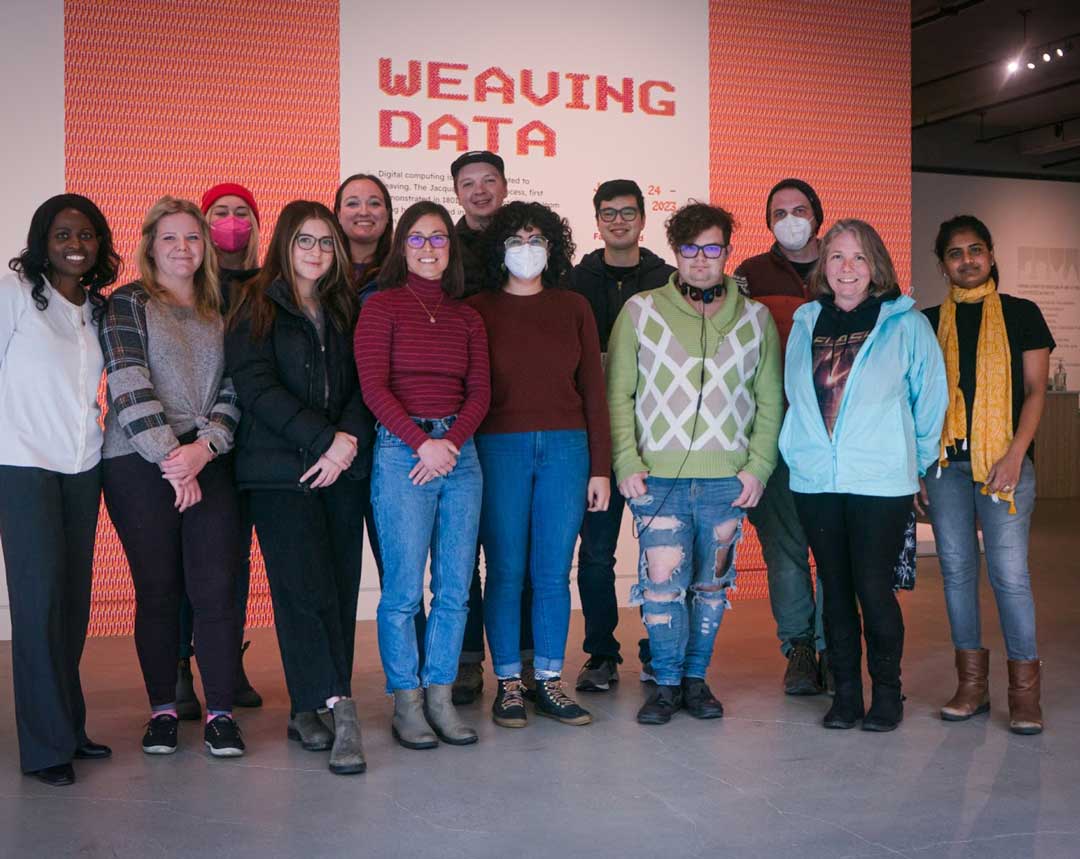
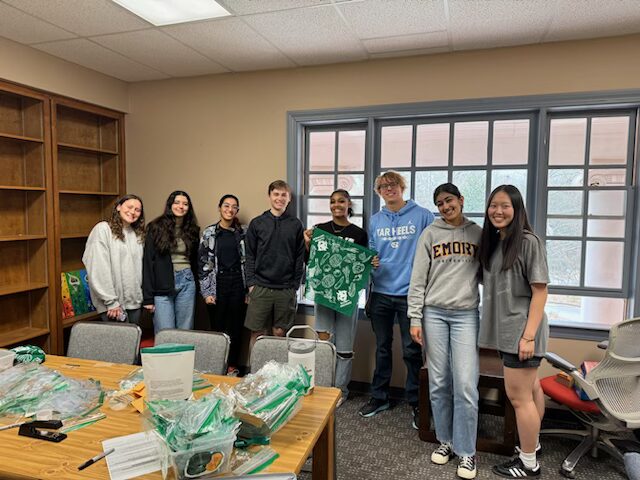
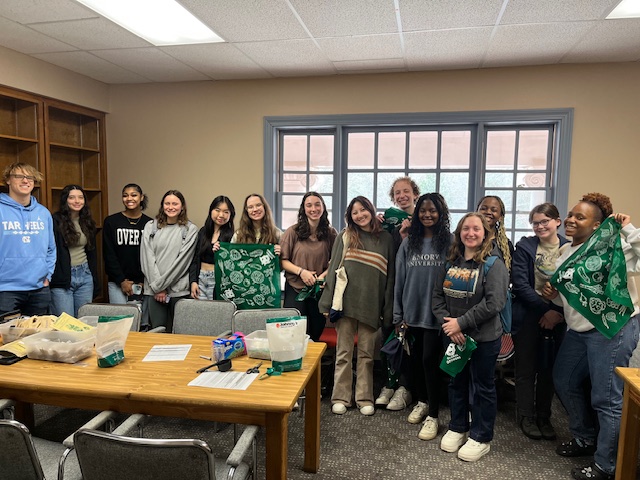
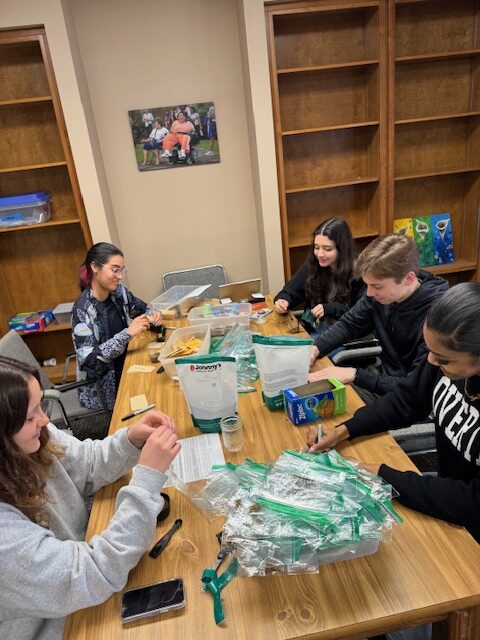
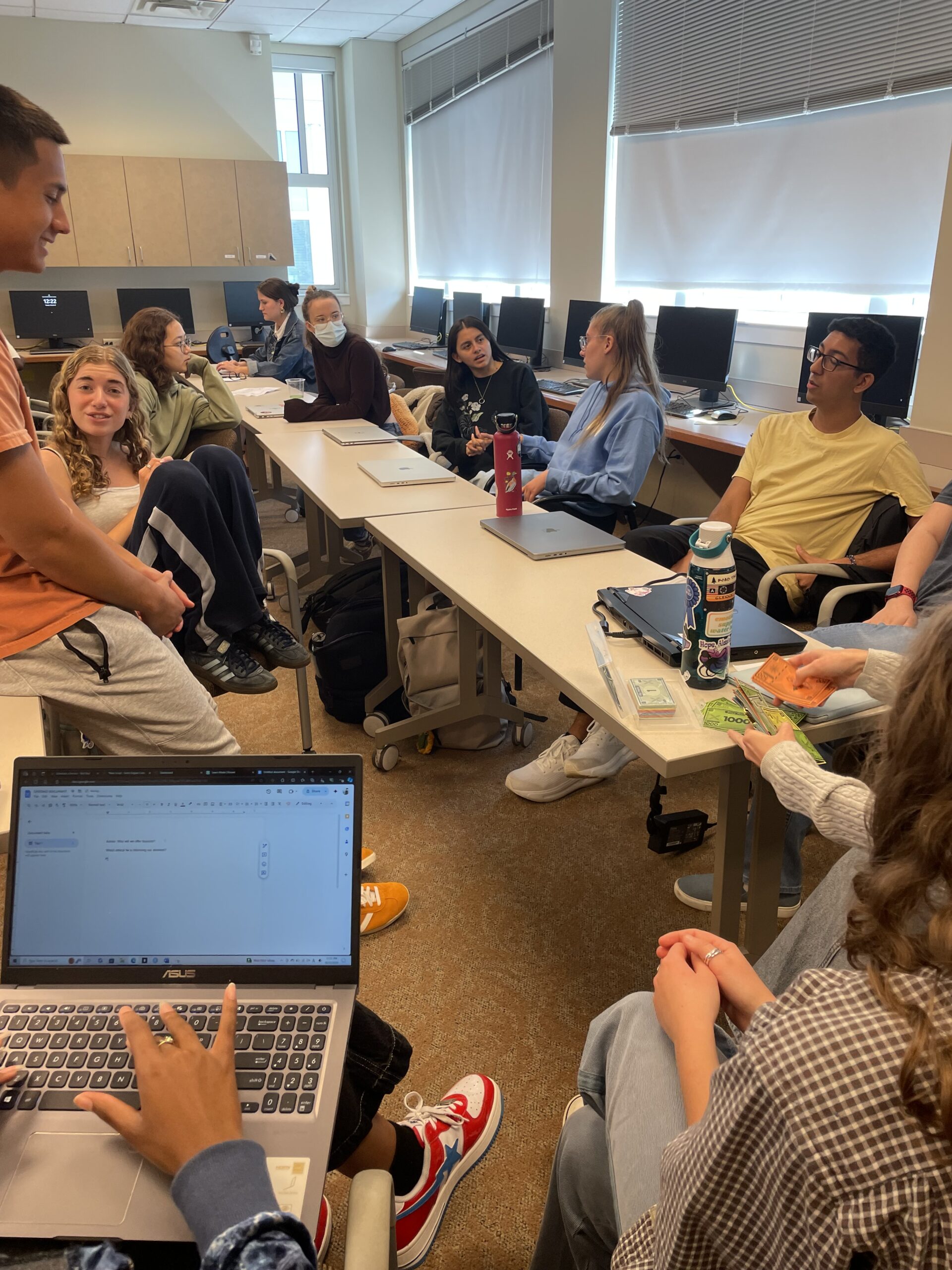
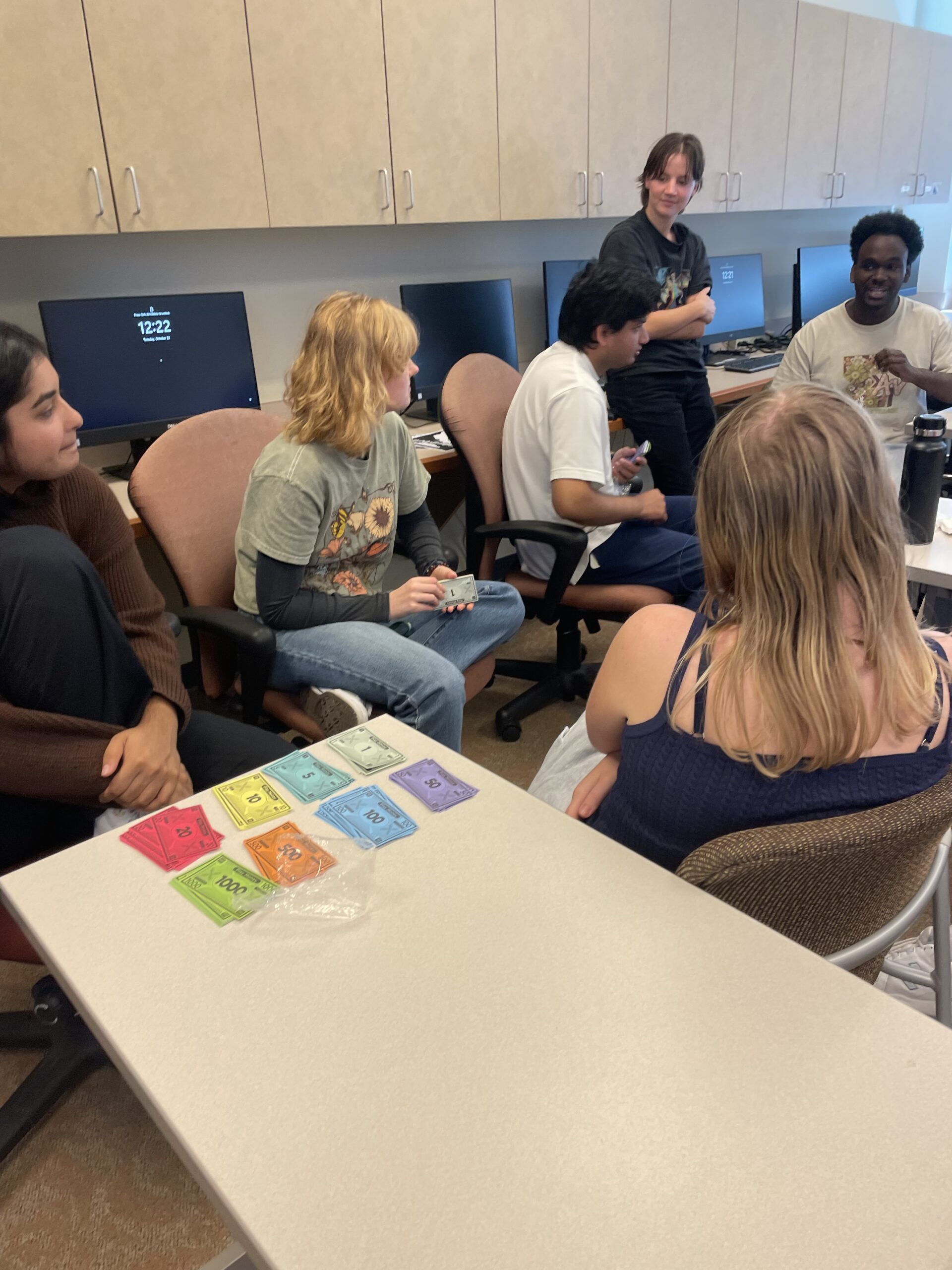
Experiential learning and field-based education that brings environmental concepts to life.
- Community Resilience
- Environmental Justice
- Climate Solutions




- Current Courses
Climate and Urban Systems
Exploring the complex interactions between climate change and urban environments through systems thinking approaches.
Group simulation
Environmental Justice & Climate Adaptation
Examining how climate impacts and adaptation strategies intersect with social justice, equity, and community resilience.
Field research
Advanced Methods in Climate Research
Developing technical and analytical skills for conducting rigorous climate adaptation research across disciplines.
Mixed methods
- Student Opportunities
Field Research Assistantships
Join ongoing research projects examining climate adaptation in coastal communities and urban environments. Opportunities for data collection, community engagement, and co-authorship on research publications.
Community Engagement Projects
Work directly with community partners on participatory research and climate justice initiatives. Develop skills in stakeholder engagement, project management, and knowledge co-production.
Research Publication Mentorship
Mentored opportunities for advanced students to develop research for publication in academic journals. Includes guidance on research design, analysis, and academic writing.
Contact Us
Emory University Department of Environmental Sciences Mathematics and Science Center, E524 400 Dowman Dr., Atlanta, GA 30322
- +1 404-544-1497
- Mon-Fri 10am-5pm
- emory.climtransformlab@gmail.com
© 2025 climtransformlab. | Powered by femstudio
- Home
- About us
- Research Projects
- Global Adaptation Mapping Initiative
- Managed Retreat
- Transformation in “Sustainable Cities”
- Transformation in Urban Settlements
- Theorizing Transformation in the Anthropocene
- Cascading Disasters and Resilience Planning
- Waterfront Future Cities and Climatopias
- Tree Equity, Environmental Justice and Community Resilience
- Teaching
- Outreach
- Achievements
- Contact
Sciences Mathematics and Science Center
E524 400 Dowman Dr.,
Atlanta,
GA 30322